
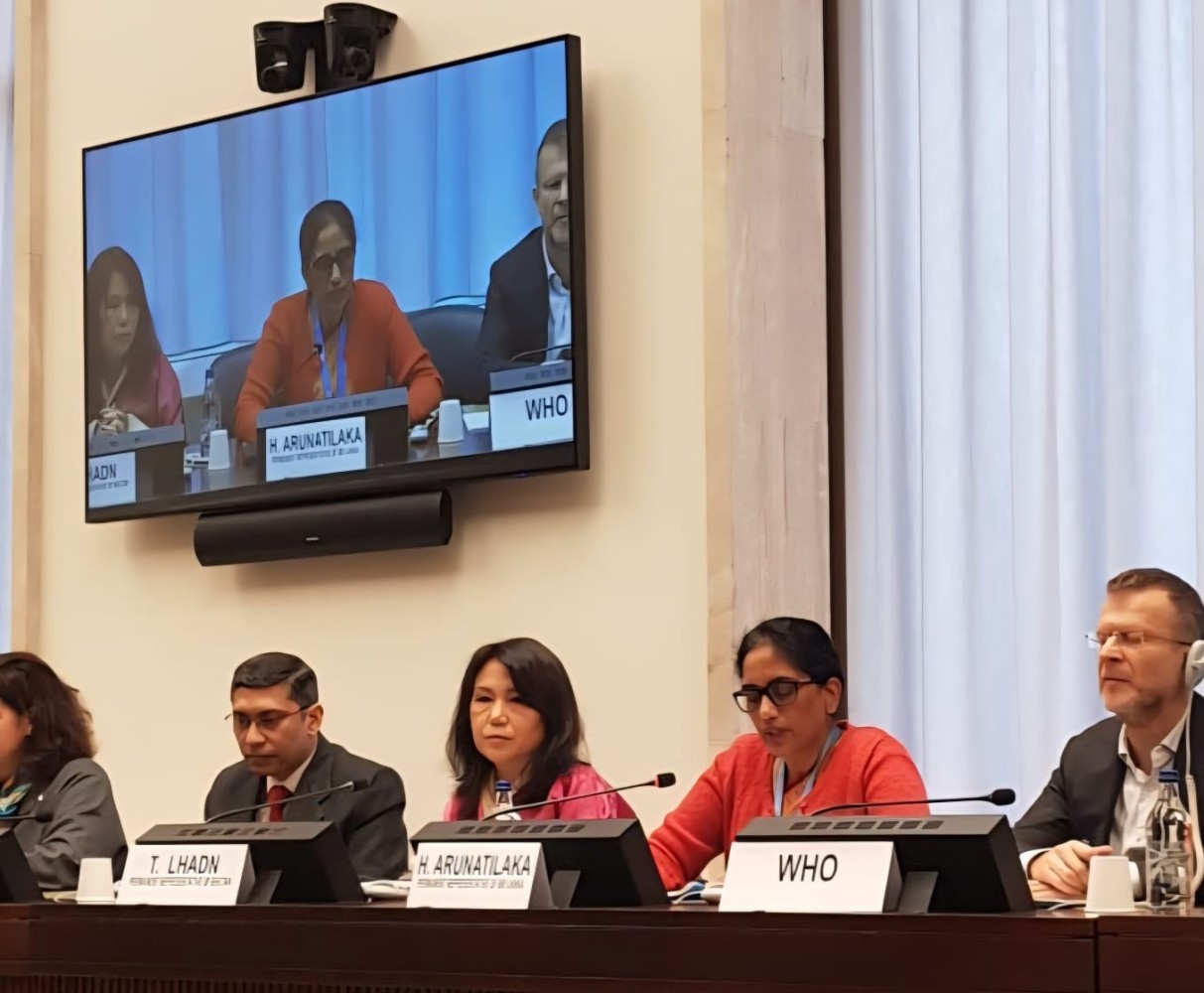
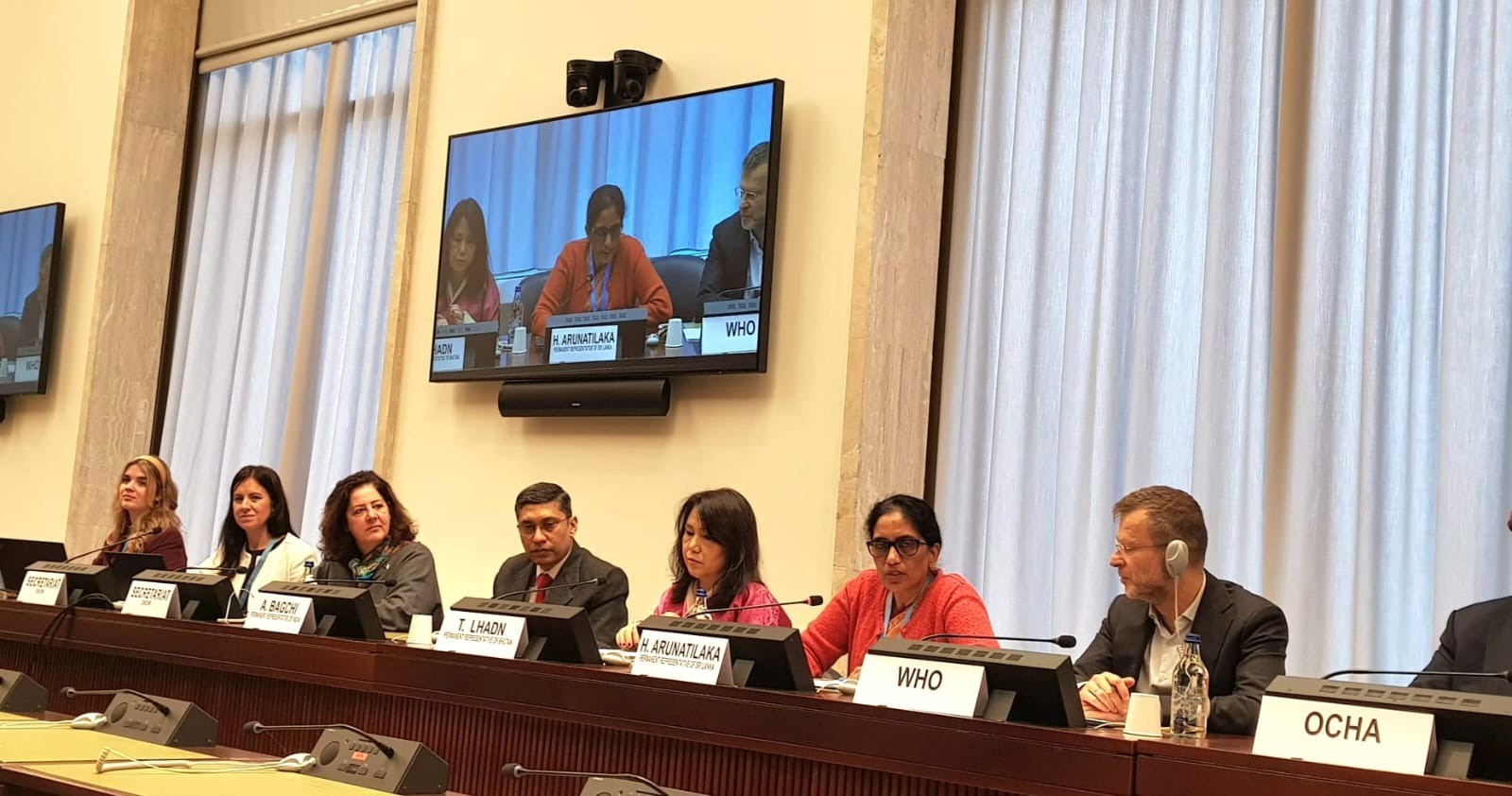
Opening Remarks by Her Excellency Himalee Arunatilaka, Ambassador & Permanent Representative of Sri Lanka to the United Nations in Geneva at the Conference ‘United and Present: Global Solutions from Within - A Mindful Approach to Diplomacy, UN Work, and Beyond’ 09 December 2025, Geneva


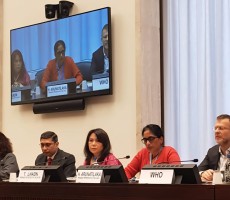
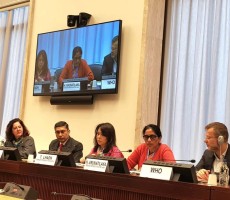
High Commissioner Volker Turk
Excellencies
Ladies and Gentlemen,
Sri Lanka is proud to have been be a key sponsor of the resolution on World Meditation Day together with Liechtenstein, Andorra, Mexico, Nepal, and India, that was adopted by the UNGA in 2024.
The benefits of meditation to the physical and mental well-being of human beings are being widely recognised and acknowledged throughout the world.
In Sri Lanka, meditation and mindfulness have been practised for centuries as a way of calming the mind and achieving a sense of inner peace. It has been an indispensable component of Sri Lanka’s culture. The many meditation centres, temples, and retreats in Sri Lanka help deepen mindfulness. Today, Sri Lanka is a renowned travel destination for meditation and mindfulness, combining traditional Buddhist principles with its own unique culture and deep spiritual history.
One of the most valuable teachings engrained in Buddhism is the concept of ‘Metta’ that is highlighted in the Thripitaka, the earliest written record of the Buddha’s teachings which refers to universal kindness towards all living beings. The most basic form of meditation preached by the Buddha is to develop this emotion of ‘mindful metta,’ that is the first step towards developing inner peace.
The link between meditation and peace, is also undeniable.
Allow me to quote a verse from the Dhammapada, the Buddha’s Path of Wisdom:
“නහි වේරේන වේරානි - සම්මන්තී’ධ කුදාචනං,
අවේරේන ච සම්මන්ති - ඒස ධම්මෝ සනත්තනෝ”
‘Hatred never ceases through hatred in this world,
Through love alone they cease. This, is an eternal Law.’
These words were repeated by Sri Lanka’s representative, former President and the Minister of Finance at the time, J.R. Jayawardena, at the San Francisco Peace Conference, in September 1951 as well. These words remind us of a valuable and eternal law which serve as a valuable guiding principle when negotiating peace.
The Constitution of UNESCO starts with words that closely resemble this verse from Dhammapada. ‘Since wars begin in the minds of men, it is in the minds of men that the defences of peace must be constructed.’
The Mind is at the core of all that we do, because our actions are dictated by our thoughts. Hence, through meditation and mindfulness, we can direct our thoughts towards mindful metta.
Modern studies have shown that meditation relieves stress, leads to mental and physical wellbeing and contribute to social harmony. In today´s context, the value of meditation becomes all the more relevant, given the multiple conflicts we are faced with, showing us the depths of human suffering.
The COVID pandemic was also a stark reminder of the fragility and impermanence of human life. These are also core elements in Buddhist teaching, that further promotes meditation and mindfulness to achieve the emotional balance required to accept human suffering with equanimity and to search for answers to overcome such suffering.
Within this wider context, and in keeping with Sri Lanka´s strong Buddhist tradition, we are pleased to be part of this initiative within OHCHR, to advance meditation and contemplative practices within the multilateral system in Geneva.
We believe that these age-old practices can lead to more effective and collaborative approaches to human rights and collective well being.
Thank you.