

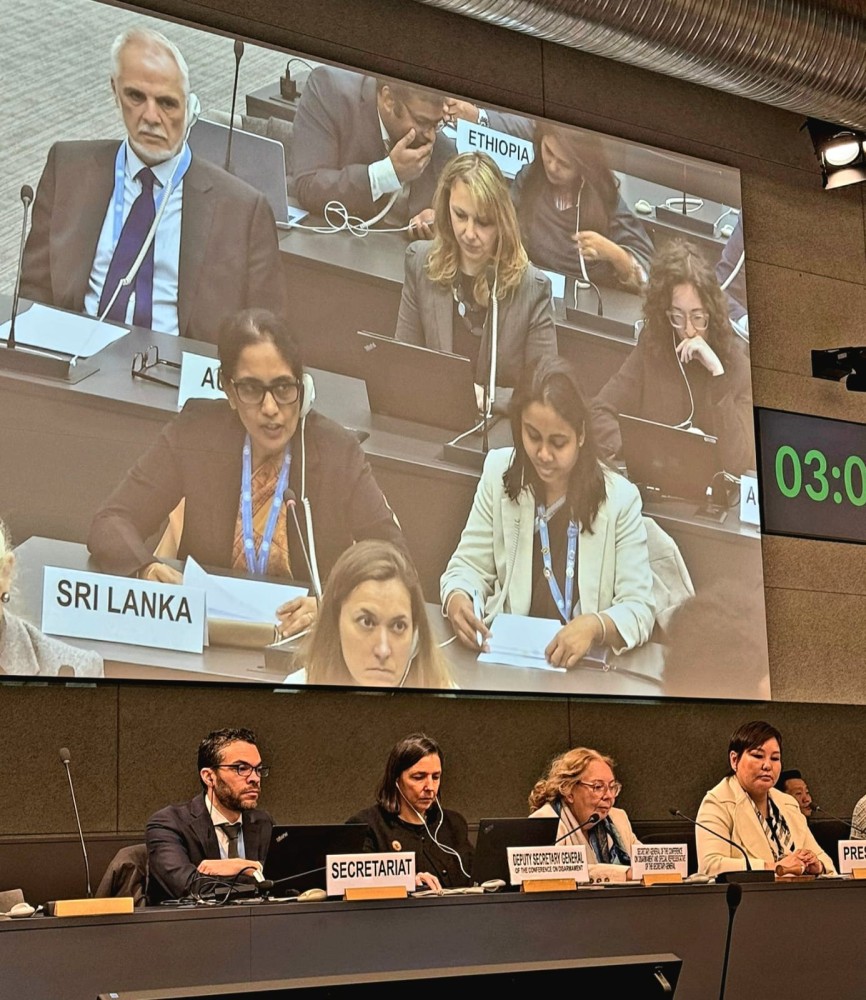
Conference on Disarmament – 27 January 2026
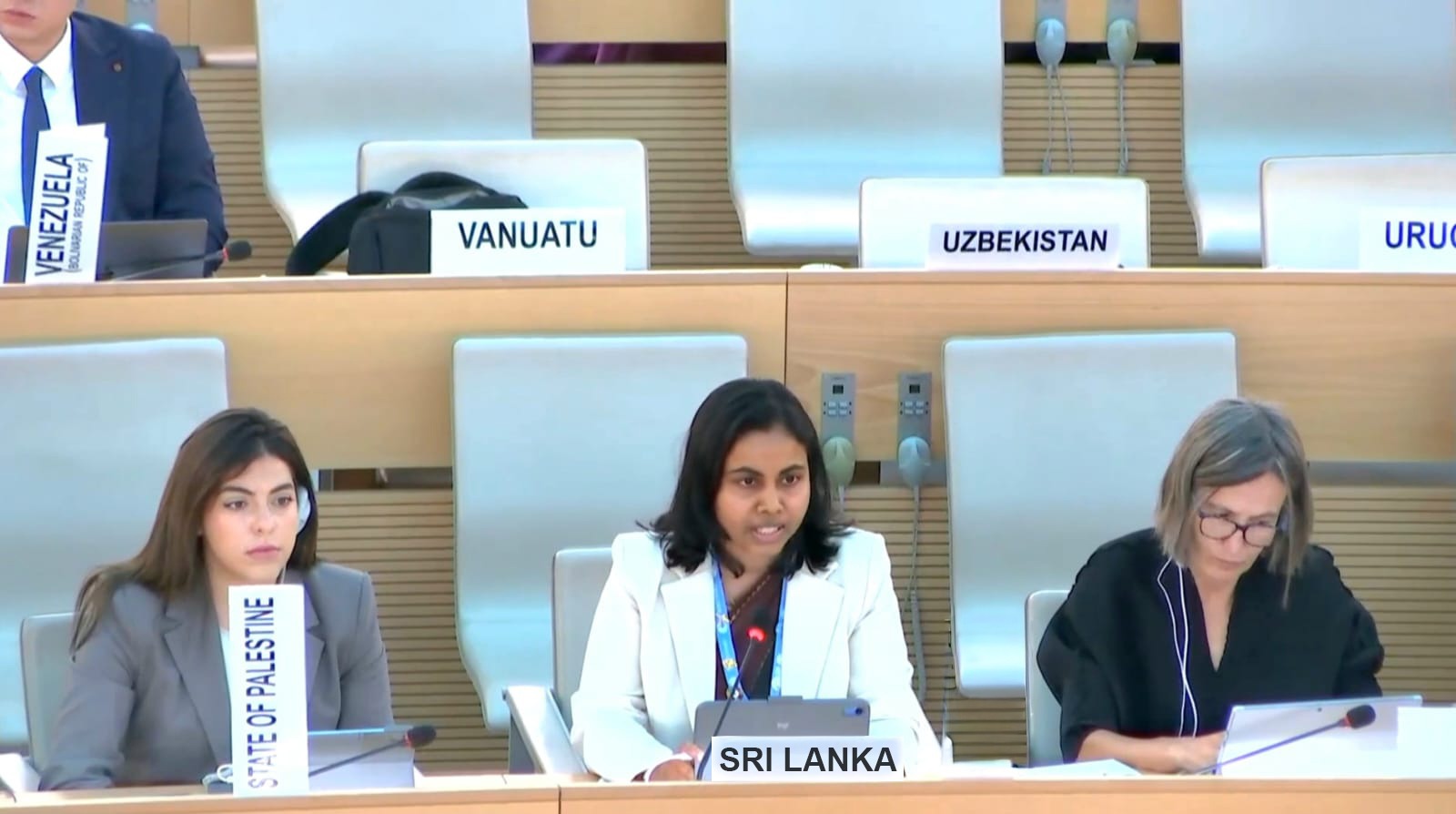
Statement by Her Excellency Himalee Arunatilaka, Ambassador and Permanent Representative of Sri Lanka to the United Nations in Geneva
Madam President,
Madam Secretary-General
Excellencies, Distinguished Colleagues
It is with deep honour, respect and gratitude that I take the floor today for the last time in my capacity as the Permanent Representative of Sri Lanka to the United Nations in Geneva, and to the Conference on Disarmament. I will be concluding my tenure and returning to Sri Lanka in a few days on the conclusion of my tenure in Geneva.
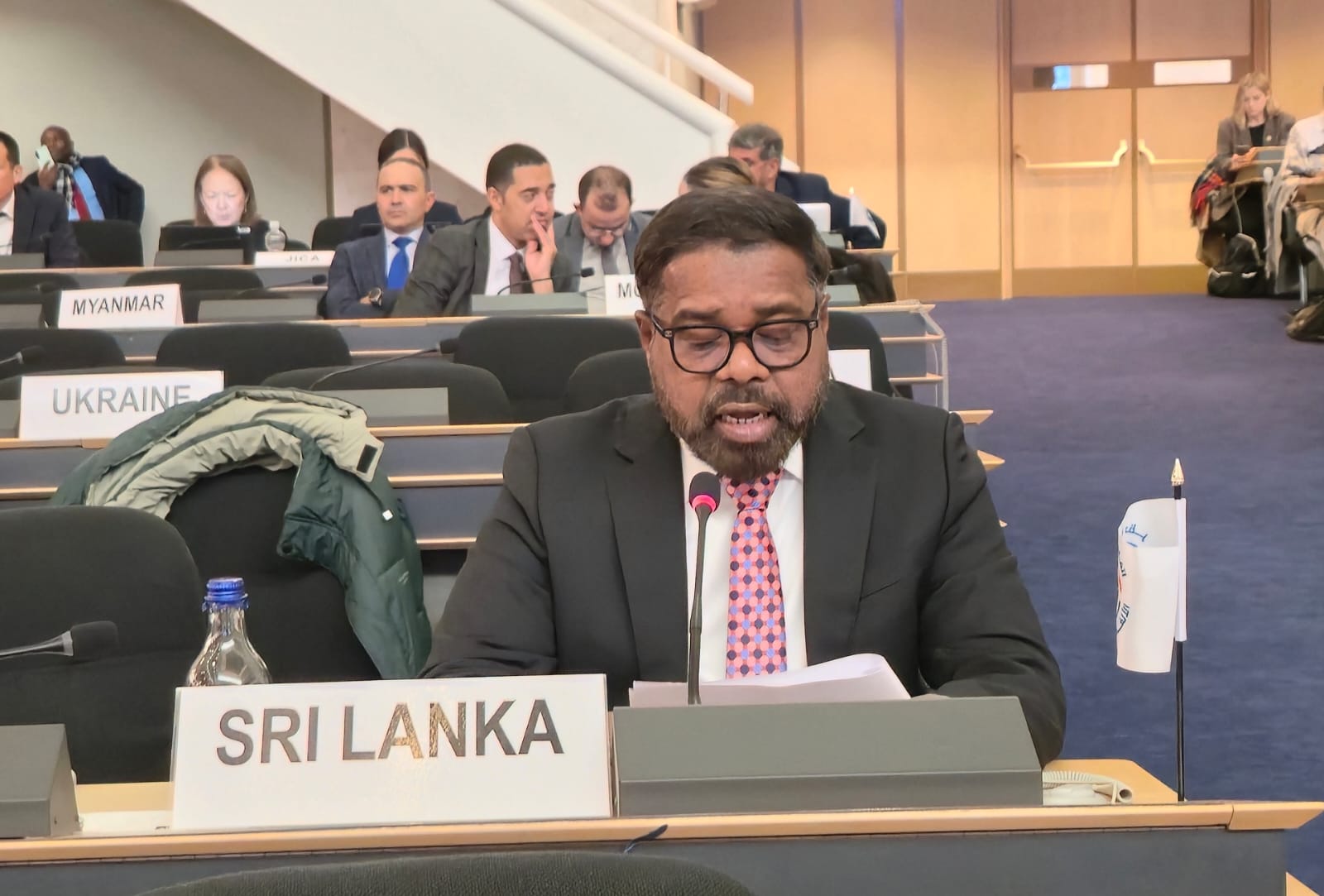
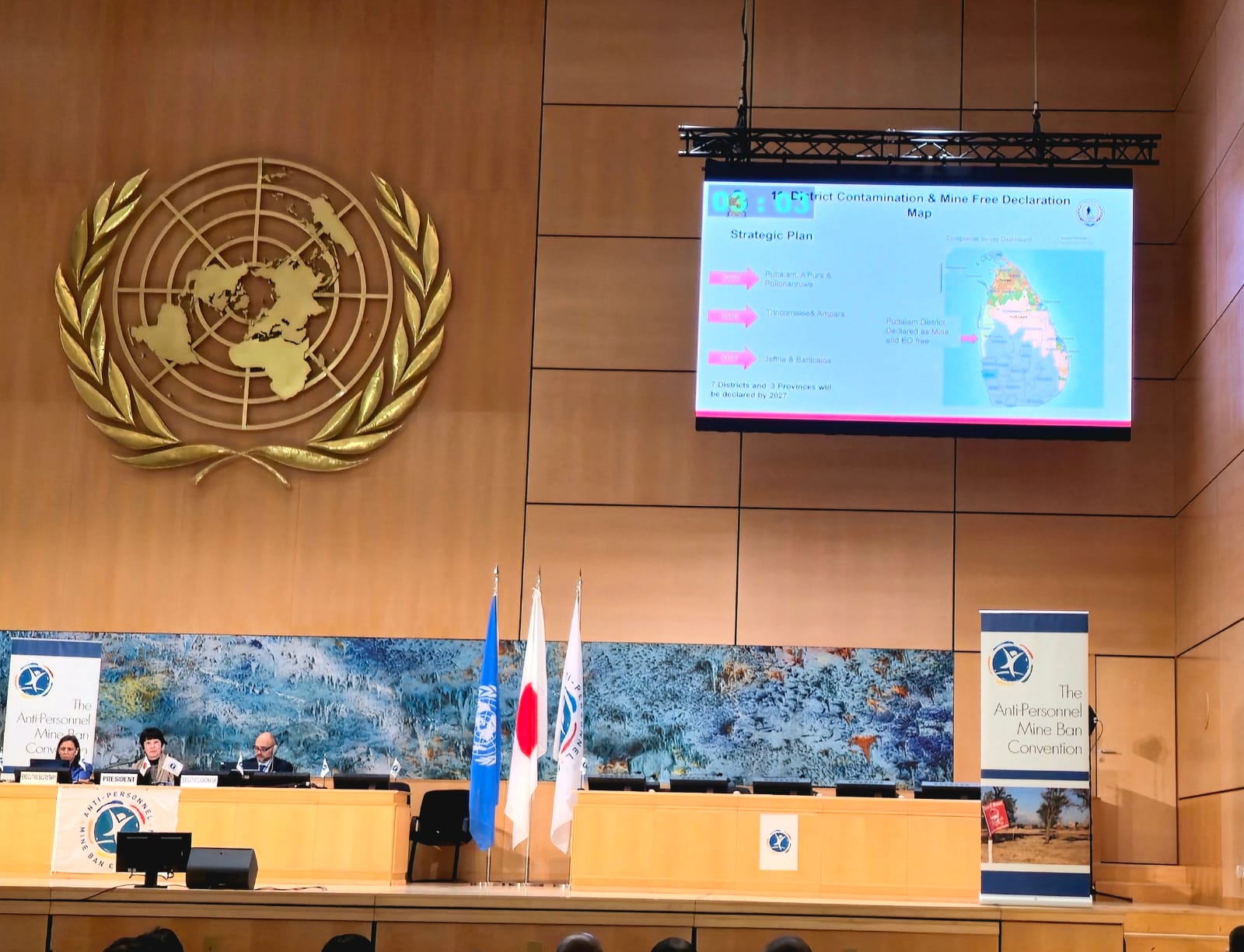
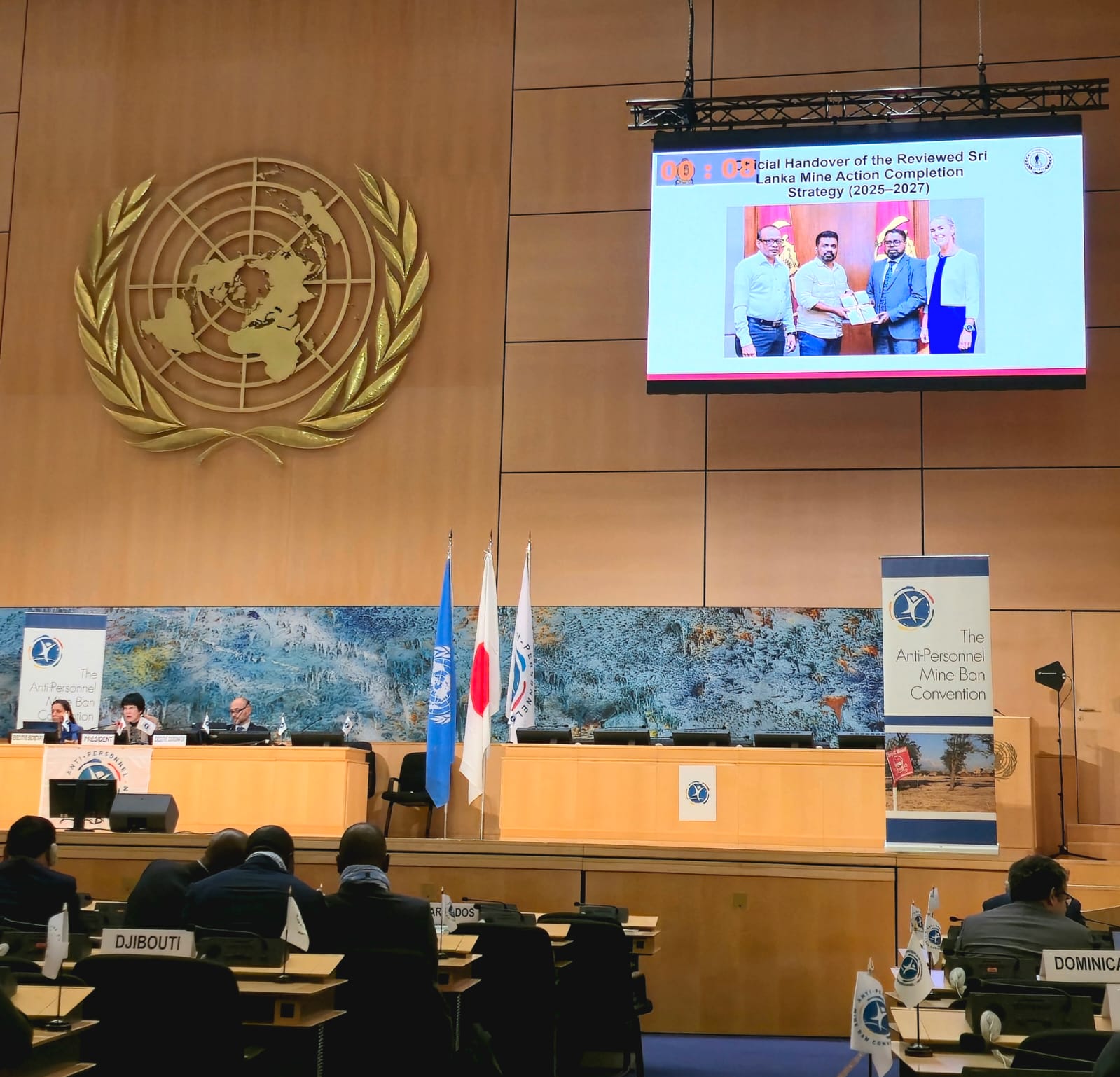
Madam President , Distinguished Delegates, Ladies and Gentlemen,
It is an honour to present Sri Lanka’s progress under Article 5 – Clearing Mined Areas, at the Twenty-Second Meeting of States Parties.
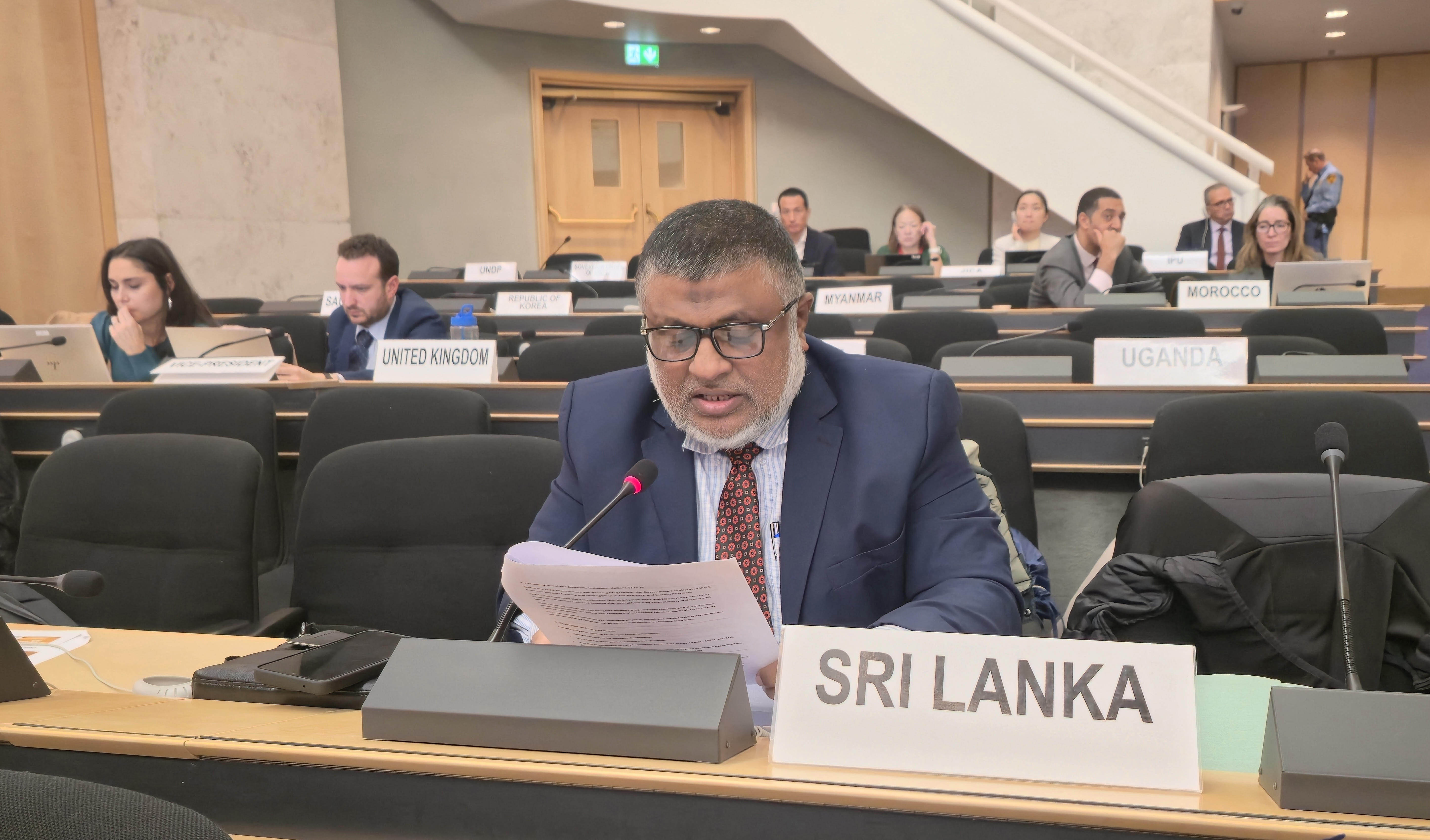
Madam President, Distinguished Delegates, Excellencies, Ladies and Gentlemen,
Sri Lanka is honoured to present an update on our progress in fulfilling the Victim Assistance commitments under Actions 30 to 39 of the Siem Reap–Angkor Action Plan.
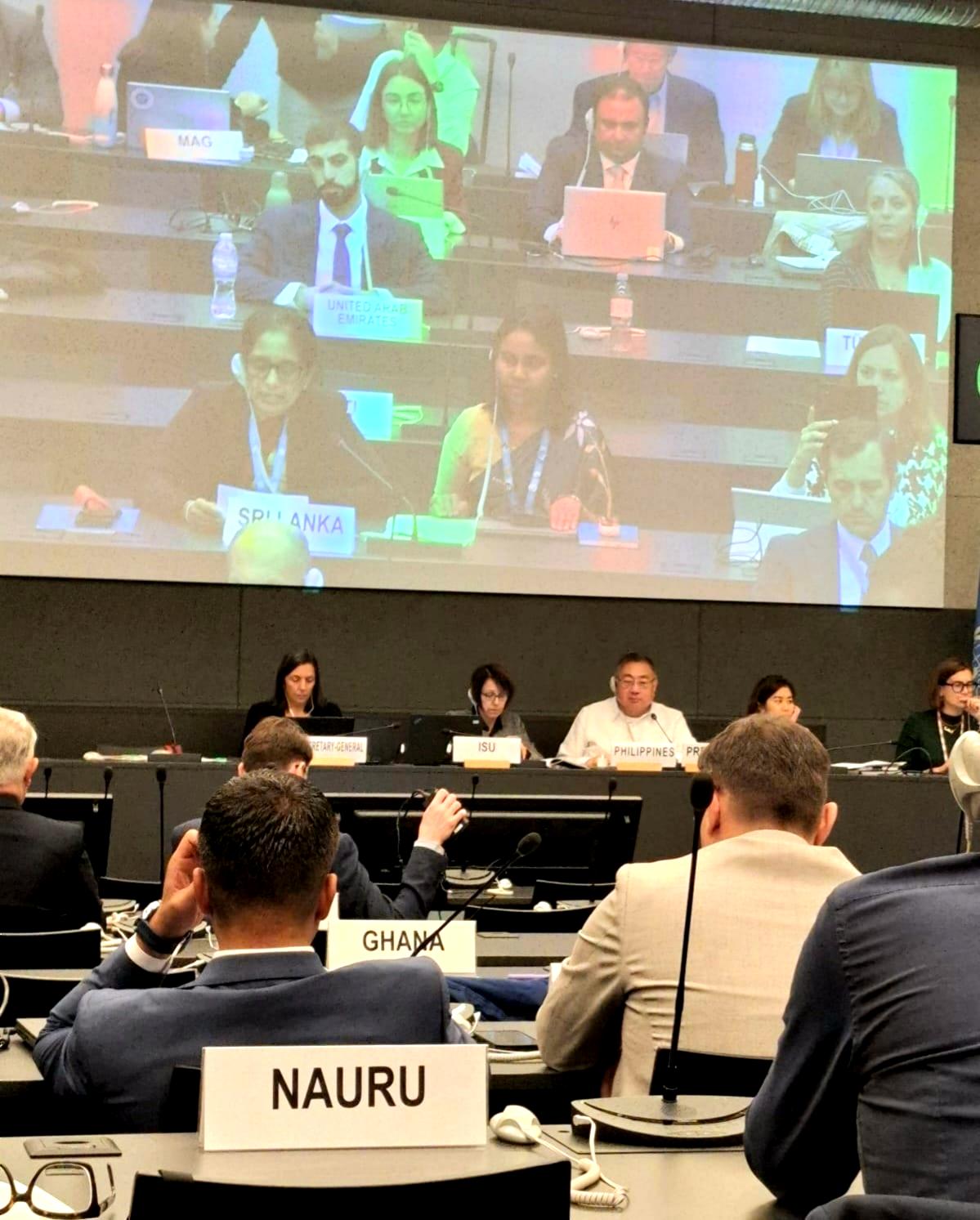
Mr. President
Distinguished Delegates
Sri Lanka extends its warm congratulations to Ambassador Carlos D. Sorreta, Permanent Representative of the Philippines for assuming the Presidency of the Thirteenth Meeting of States Parties to the Convention on Cluster Munitions. My delegation assures you Sri Lanka’s fullest support in achieving a productive and meaningful outcome of this meeting.
Mr. President,
Sri Lanka remains convinced that this Convention represents a significant achievement in international humanitarian law as well as in the global disarmament landscape due to its comprehensive approach in mitigating the humanitarian impact of cluster munitions in all aspects. Our presence here today reaffirms our enduring commitment towards a world free from the devastating impact of cluster munitions. We recall that the Convention on Cluster Munitions has protected countless civilian lives from indiscriminate and widespread harm caused by cluster munitions, since its entry into force.
Measures on International Cooperation and Assistance (ICA), 12 August 2025
Mr Chair,
As this the first time that my delegation is taking the floor, Sri Lanka joins others in expressing sincere gratitude to you, Mr. Chair, for your leadership of this Working Group on strengthening the BWC, one of the cornerstones of the global disarmament architecture. Please be assured of the fullest support and cooperation of Sri Lanka for the success of the deliberations at this session.
I also take this opportunity to thank the Friends of Chair groups, members of the ISU for their comprehensive work carried out so far in an inclusive approach.
Statement by Sri Lanka
Second session of the open-ended working group on the prevention of an arms race in outer space in all its aspects, 21-25 July 2025, Palais des Nations, Geneva
Item 5 – General Exchange of Views
Mr. Chair
Sri Lanka also joins other delegations in appreciating your leadership as the Chair of this Open-Ended Working Group (OEWG). I extend Sri Lanka´s fullest support and cooperation for the success of the deliberations of the Working Group.
Sri Lanka appreciates your leadership during the first session of the OEWG as well as during the informal consultations and guidance to the second session.
Mr. Chair,
The discussions on prevention of an arms race in outer space are not new to us. We have been discussing the related issues over decades. Therefore, rather than starting from scratch, the OEWG can leverage from where we are, while building on existing discussions and efforts in multilateral fora.
We believe that this working group provides an opportunity for Member States to advance discussions on both legally binding and non-legally binding measures in outer space disarmament under a single framework.
Sri Lanka has been engaging for decades on the matters of prevention of an arms race in outer space, and has been advocating for a legally binding instrument. We also wish to underline the vital importance of verification mechanisms as an integral part of a legally binding instrument. While understanding the current dynamics in space faring activities by States, we believe that this fundamental goal has to be achieved in a balanced and inclusive approach under a comprehensive framework, which recognizes the concerns of all States, and works on the basis of consensus.
The UNGA resolution 79/19 titled ‘prevention of an arms race in outer space’ which is annually presented by Sri Lanka together with Egypt emphasizes “the paramount importance of strict compliance with existing arms limitation and disarmament agreements relevant to outer space, including bilateral agreements, and with the existing legal regime concerning the use of outer space”
The resolution also emphasizes “the necessity of further measures with appropriate and effective provisions for verification to prevent an arms race in outer space” while referring to the important work carried out so far in multilateral fora on outer space disarmament.
From the point where we are today, we all need to strive to agree on a pragmatic way forward to achieve our common goals in outer space disarmament in all aspects.
Sri Lanka also takes this opportunity to underscore that weaponizing of outer space would disproportionately affect all states. We urge this Working Group therefore to adequately listen to the voice of the developing countries that rely on peaceful uses of outer space and space-based assets, particularly satellite technology for communication, disaster management, and climate impact monitoring and resilience. Sri Lanka encourages regional consultations and dialogues particularly among the non-spacefaring states with a view to ensure inclusivity.
Mr. Chair,
It is the responsibility of all States to ensure that outer space remains a shared heritage of humankind, free from conflict and accessible to all nations for peaceful purposes.
While reiterating Sri Lanka’s support to your efforts to bring us on to a pragmatic direction, we believe that a balanced, inclusive and consensus-based approach that considers the concerns of all states will be useful in achieving our common goals.
Thank you
- Statement by Dr.Shiromi Maduwage, Consultant Community Physician at Youth, Elderly & Disability Unit, Ministry of Health, at the Intersessional Meeting of the Anti-Personnel Mine Ban Convention, 17 June 2025
- Statement by Mr. M.M Nayeemudeen, Additional Secretary (Projects), Ministry of Urban Development, Construction and Housing and Director, National Mine Action Centre (NMAC) at the Intersessional Meeting of the Anti-Personnel Mine Ban Convention, 17 June 20
- Statement by Sri Lanka: Conference on Disarmament – Subsidiary Body 4 - Effective international arrangements to assure non-nuclear weapon States against the use or threat of use of nuclear weapons, 17 June 2025