




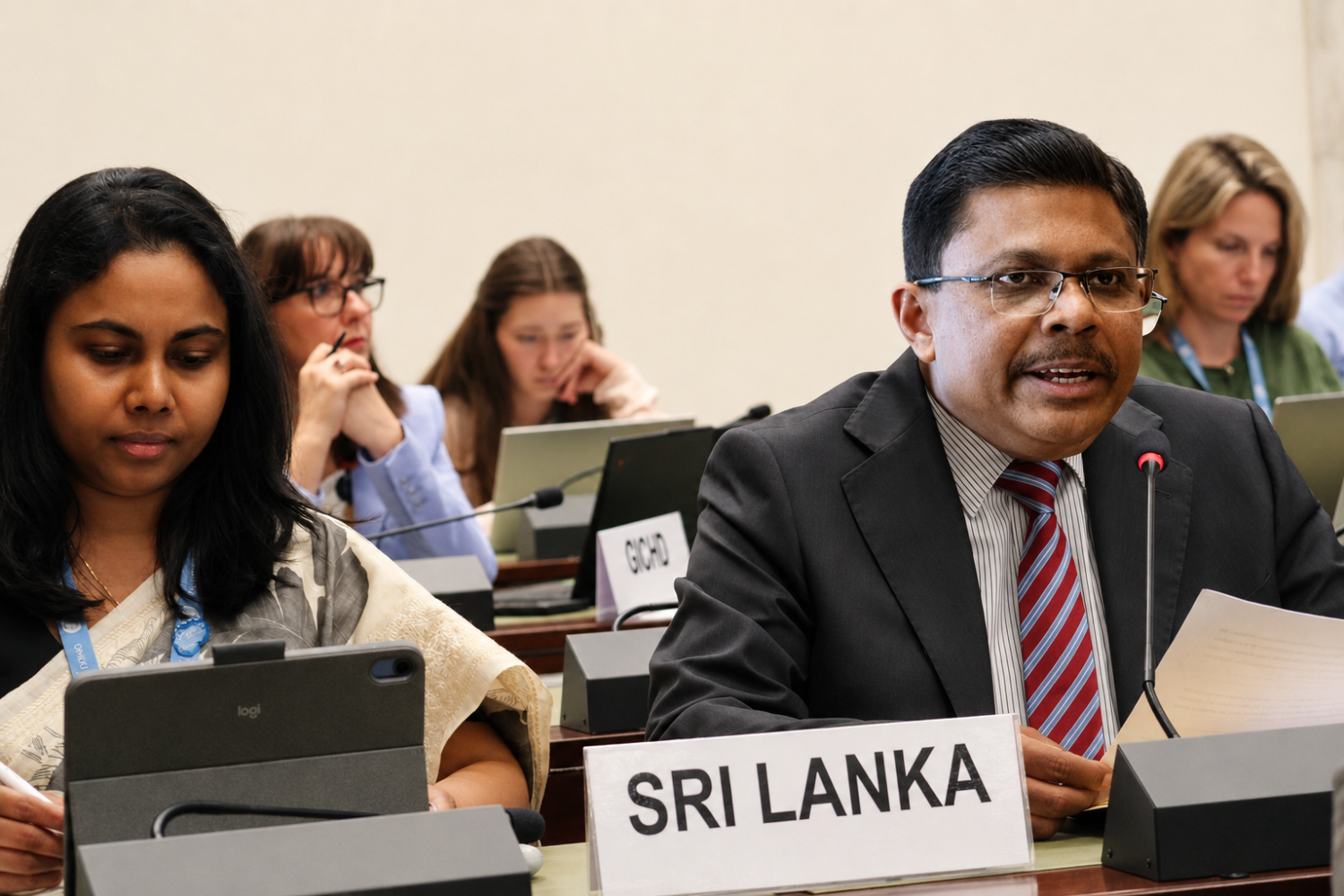
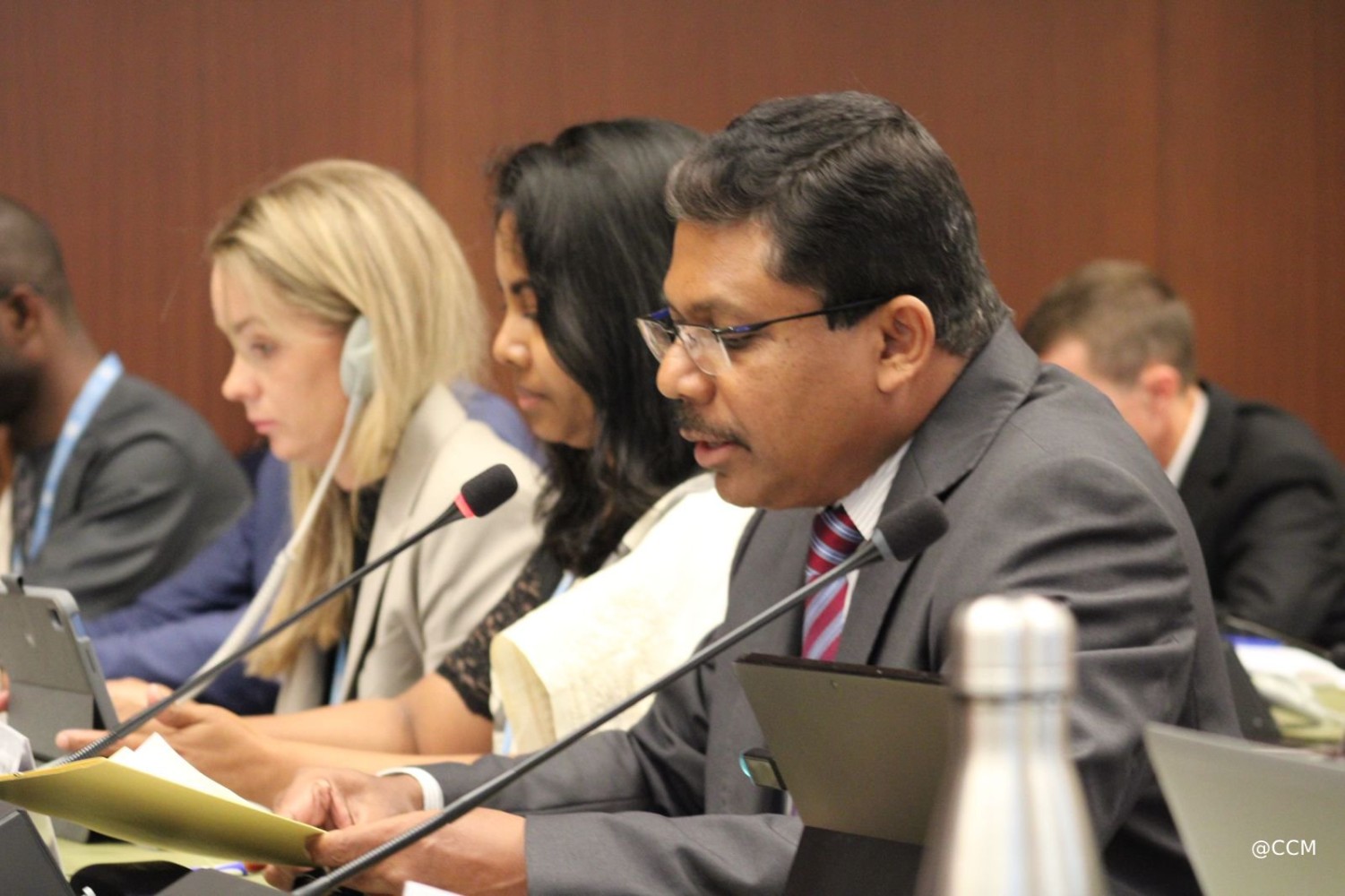
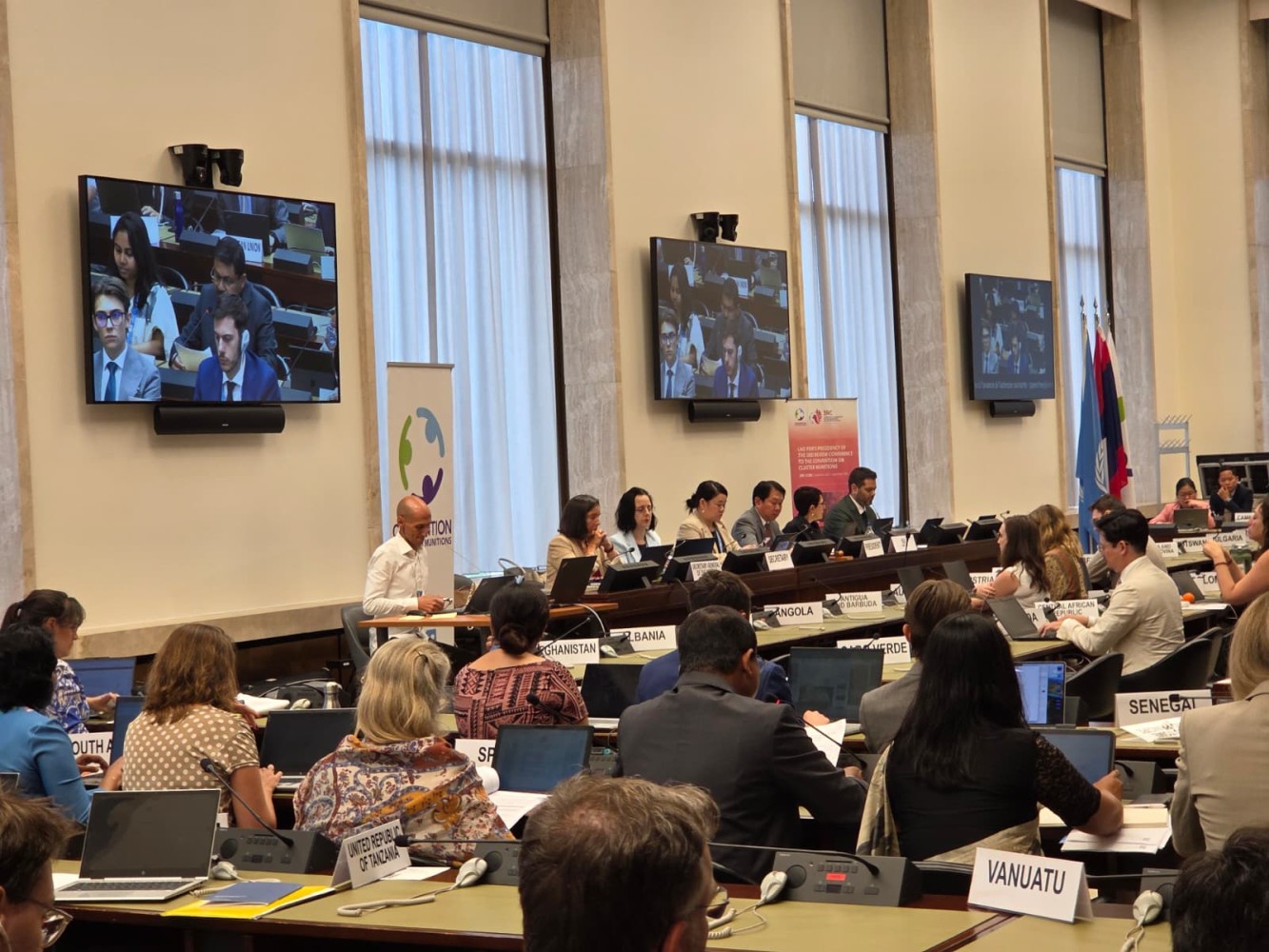
Mr. Chair,
Distinguished Delegates,
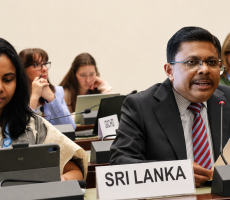
As this is the first time that I am taking the floor, I would like extend Sri Lanka’s fullest support and cooperation to the Lao Peoples Democratic Republic; the Presidency of the Third Review Conference. Sri Lanka appreciates the leadership of the Presidency and the coordinating committees for their hard work in preparing the Zero Draft of the Vientiane Capital Action Plan (VCAP) 2027–2031.
We view this draft as a constructive evolution of the Lausanne Action Plan, particularly in its efforts to strengthen sustainability, victim assistance, inclusivity, and long-term implementation strategies.
Sri Lanka welcomes several positive elements within the draft. In particular, we commend the increased focus on environmental protection across stockpile destruction, survey, clearance, and sustainable land use.
We also welcome its reference and complementarity with other UN led multilateral initiatives including the Sustainable Development Goals (SDGs), the Convention on the Rights of Persons with Disabilities (CRPD), the Women, Peace and Security (WPS) and Youth, Peace and Security (YPS) Agendas, and the promotion of peace, human rights, and international humanitarian law. However, in terms of gender and diversity, we believe that the language in the Lausanne Action Plan (LAP) is more coherent and we suggest to revert to the agreed langue in both actions and indicators for the consistency in addressing gender and diversity needs.
Constructive observations made by the Ministry of Defence of Sri Lanka on the Draft Vientiane Capital Action Plan (VCAP) has been submitted to the Presidency and the Implementation Support Unit (ISU) for consideration.
To further refine the document and ensure its effective, harmonized implementation, Sri Lanka wishes to offer the following observations based on our national assessment:
- While we support the introduction of quantitative indicators, we propose that, prior to adoption, it is vital to clearly establish the sources of baseline data, the methodology for measuring progress, and the mechanisms for data verification.
- Furthermore, regarding risk education, measuring "behavioral change" is inherently difficult to assess objectively. Therefore, we propose to consider agreed methodologies and standardized criteria to ensure reporting consistency.
- To prevent varied national implementation approaches, the draft would benefit from clearer guidance on applicable environmental standards, environmental impact assessment methodologies, and indicators for measuring environmental compliance.
- The draft significantly expands requirements for information management and disaggregated data collection. Affected states with limited administrative capacity will find these obligations challenging. Therefore, we propose to consider the inclusion of simplified reporting pathways and enhanced technical international assistance mechanisms to support the affected states.
- As no current States Parties have outstanding Article 3.2 obligations for stockpile destructions, we suggest placing greater emphasis on retention and compliance maintenance, the management of newly discovered stockpiles, and sustaining technical capacity for future contingencies. Additionally, we encourage to set targeted efforts to add new States Parties to the Convention against the number of States remaining outside the Convention.
- To avoid interpretive uncertainty, repeated terms such as ‘diverse populations’, ‘affected populations’ and ‘affected communities’ should be streamlined. We advise ensuring strict linguistic consistency throughout the text.
Mr. Chair,
Sri Lanka remains fully committed to working constructively with the Presidency and all delegations to finalize an impactful, realistic, and robust Vientiane Capital Action Plan that guides us effectively toward achieving our shared objectives by 2031.
Thank you